



"Supreme Court stays UGC equity regulations"
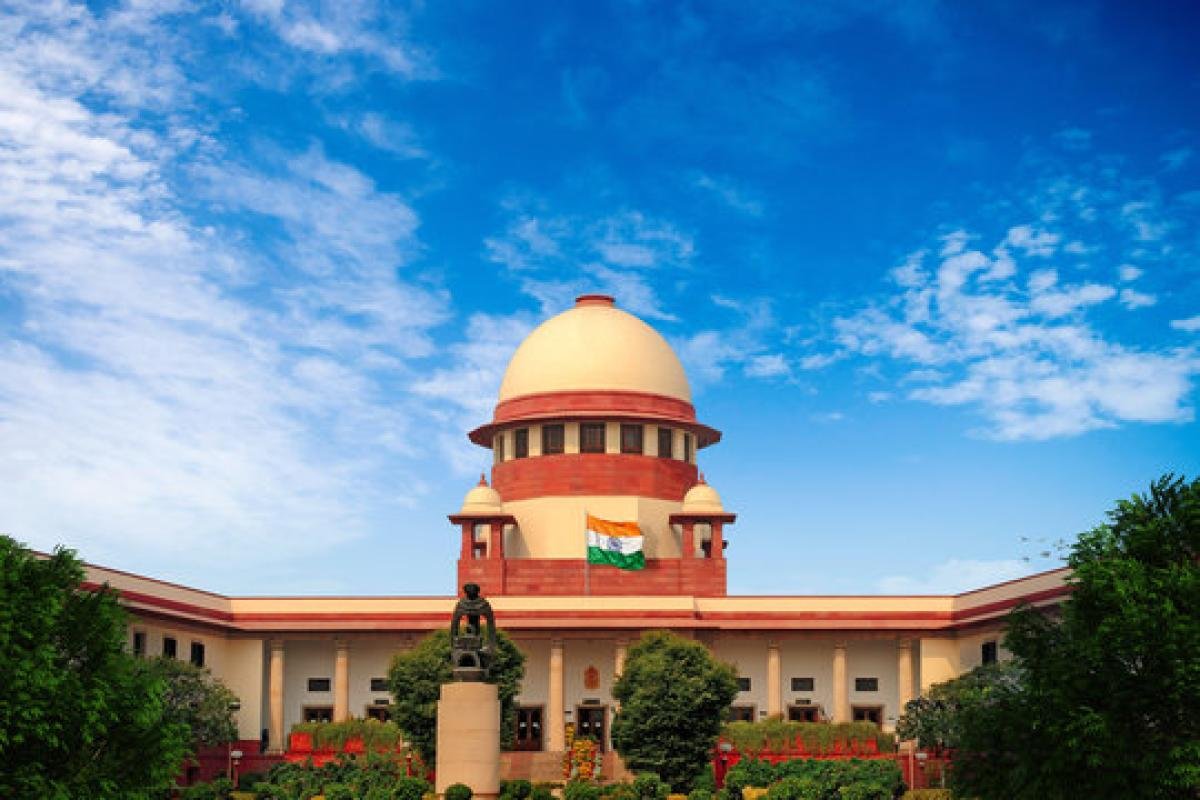
The Supreme Court on Thursday stayed the implementation of the University Grants Commission’s (UGC) Equity Regulations 2026, halting a contentious framework that triggered campus protests, political reactions and multiple legal challenges within days of being notified.
A bench of Chief Justice of India Surya Kant and Justice Joymalya Bagchi flagged “complete vagueness” in key provisions of the regulations and warned that they were prone to misuse. The court directed that the earlier 2012 UGC regulations would continue to apply until further orders and issued notice to the Centre and the UGC. The matter will be heard next on March 19. Here’s the arc of what unfolded: How the protests first ignited, how politics quickly closed ranks around them, and how the Supreme Court finally pulled the dispute into judicial scrutiny.
On January 13, the UGC notified the Equity Regulations 2026, replacing the 2012 framework governing caste discrimination and equal opportunity in higher education institutions.
According to the UGC notification, the regulations mandate all universities and colleges to establish Equal Opportunity Centres (EOCs) and campus-level committees to inquire into complaints of discrimination and promote equity and inclusion. The UGC said the move followed a rise in complaints related to caste-based discrimination and cases such as those of Rohith Vemula and Payal Tadvi, which highlighted gaps in existing redress mechanisms.
[However, Regulation 3(c) of the new framework defined “caste-based discrimination” strictly as discrimination against Scheduled Castes (SCs), Scheduled Tribes (STs) and Other Backward Classes (OBCs), a provision that soon became the focal point of opposition.
Soon after the regulations were notified, protests erupted on university campuses, particularly among students from the general category.
Students staged demonstrations at Delhi University’s North Campus, gathering near the Arts Faculty and submitting a memorandum to the Proctor’s Office demanding the withdrawal of the regulations. Protesters aleged that the rules were vague, divisive and lacked safeguards against false complaints, while also pointing to the absence of a clear grievance redress mechanism for non-reserved category students.
Legal challenge reaches the Supreme Courts
Multiple petitions were subsequently filed before the Supreme Court by individuals including Rahul Dewan, Vineet Jindal and Mrityunjay Tiwari, challenging the constitutional validity of the UGC regulations.
As per the petitions, the challengers argued that Regulation 3(c) violates Article 14 of the Constitution by restricting the definition of caste-based discrimination only to SCs, STs and OBCs, thereby excluding individuals from the general category who may also face caste-based harassment.
Appearing for the petitioners, advocate Vishnu Shankar Jain argued that discrimination cannot be presumed to occur only against one segment of society and that the definition under the regulations is arbitrary and exclusionary.
Supreme Court flags vagueness, orders interim stay
During the hearing on Thursday, the Supreme Court said it was examining the regulations at the “threshold of constitutionality and legality,”
The bench observed that there was “complete vagueness” in the language of Regulation 3(c) and noted that such provisions could be misused. The court said the language of the regulations “needs to be re-modified”.
Chief Justice Surya Kant as questioning whether the framework risked pushing society backwards instead of addressing discrimination. Reflecting on caste divisions decades after Independence, he said, “In a country after 75 years, all that we have achieved to become a classless society—are we becoming a regressive society?”
Warning against identity-based segregation on campuses, the Chief Justice emphasised that educational institutions must reflect national unity. “We want a free, equitable and inclusive atmosphere in educational institutions. Unity of India must be reflected in our educational institutions,” he said.
Justice Joymalya Bagchi agreed that while the Constitution permits protective measures for disadvantaged groups under Article 15(4), progressive legislation should not result in social regression. He also cautioned that vague provisions could be exploited for personal vendettas on campuses.
The bench suggested that the regulations may require review by experts and directed that the 2012 UGC regulations would remain in force until further examination.
What lies ahead
With the Supreme Court’s interim stay, universities and colleges across the country will continue to follow the 2012 framework for addressing discrimination and equal opportunity.
The Centre and the UGC have been asked to file their responses, and the court will take up the matter again on March 19. Until then, the future of the UGC’s Equity Regulations 2026 remains uncertain, as the debate over inclusion, equality and constitutional balance in higher education continues both inside and outsider.